
How to Implement Accounting Software in Your Business
Introduction
In today’s fast-paced business environment, manual bookkeeping is no longer sustainable. Accounting software automates financial tasks, improves accuracy, and provides real-time insights. However, implementing new software requires careful planning. Follow this step-by-step guide to ensure a smooth transition.

Step 1: Assess Your Business Needs
Before choosing software, evaluate your requirements:
- Pain Points: Are invoicing delays or payroll errors common?
- Compliance: Do you need industry-specific tax reporting?
- Scalability: Will the software grow with your business?
- Integration: Does it need to sync with CRM or inventory tools?

Step 2: Research and Select the Right Software
Narrow down options by considering:
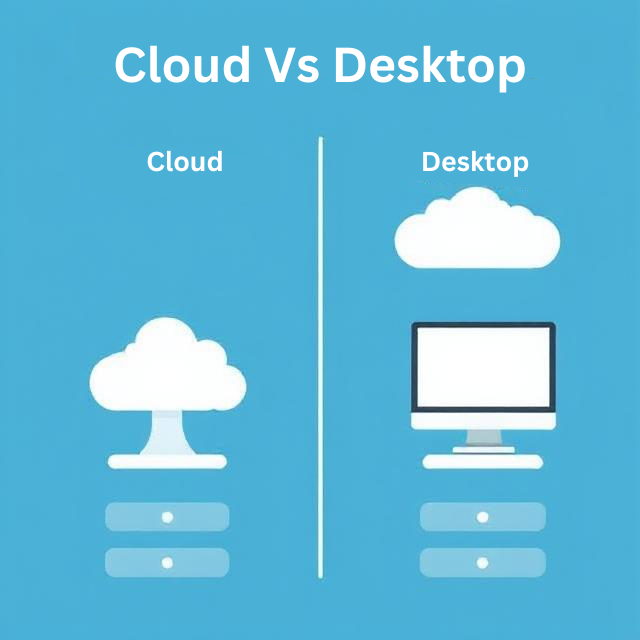
- Budget: Compare subscription models (eg : Busy or Dollar ERP ) vs. one-time licenses or Yearly renewal .
- User-Friendliness: Opt for intuitive interfaces to minimize training time.
- Key Features: Look for invoicing, expense tracking, payroll, and reporting.
- Vendor Reputation: Read reviews and ask for demos.
Step 3: Plan the Implementation Process
Create a project plan:
- Assign a project manager to oversee deadlines.
- Set a rollout timeline (e.g., 3–6 months).
- Allocate resources for data migration and training.
Avoid This Mistake: Don’t skip stakeholder communication—keep everyone informed!

Step 4: Migrate Data Securely
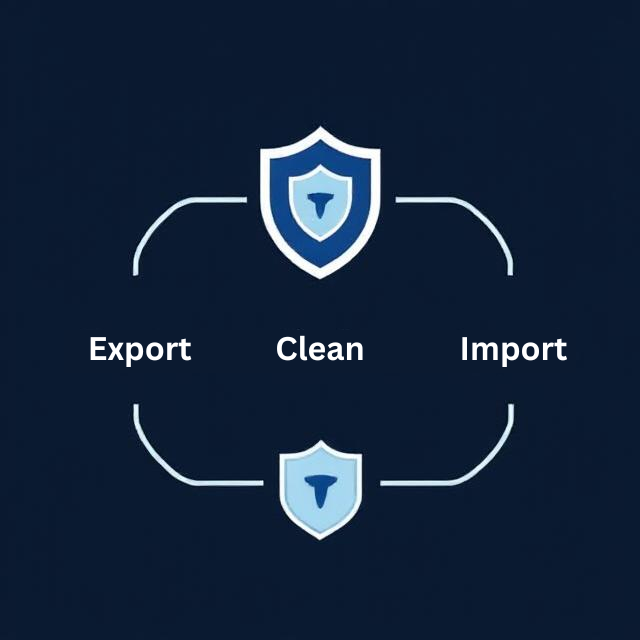
- Backup Data: Export existing records (e.g., invoices, contacts) from spreadsheets or legacy systems.
- Clean Data: Remove duplicates and outdated entries.
- Test Migration: Run a trial with a small dataset first.
- Encrypt Files: Ensure secure transfer to prevent breaches.
Step 5: Train Your Team
- Host workshops or webinars led by the software vendor.
- Create cheat sheets for common tasks (e.g., generating reports).
- Designate “super users” to assist others post-launch.

Step 6: Test the System

- Run parallel processes (old vs. new system) for 1–2 months.
- Verify data accuracy (e.g., balance sheets, tax calculations).
- Fix bugs and adjust settings as needed.
Step 7: Go Live and Monitor
- Start using the software for all financial operations.
- Monitor performance and gather user feedback.
- Schedule follow-ups with the vendor for technical support.

Step 8: Optimize and Scale

- Explore advanced features (e.g., AI-driven analytics).
- Integrate new tools (e.g., payment gateways).
- Update software regularly for security patches.
Conclusion
Implementing accounting software is a game-changer for efficiency and decision-making. By following this guide, you’ll minimize disruptions and maximize ROI. Ready to take the leap? Start by auditing your business needs today!

The login process is seamless and the community here is awesome. If you’re looking for a solid gaming hub this is it. clubpkrlogin
I love how easy it is to navigate through the different categories. It makes the whole experience much more enjoyable. Big thanks to vny088 for the great service.
The mobile app is a game changer. It’s way more convenient than using a browser and everything loads instantly. You guys should grab the bdl444appapk right now.
I just finished setting up my account and the process was super smooth. Can’t wait to start winning big here. Check out jili95register for a quick start!
Need the IN999 app? in999download is the place to get it! Fast, easy, and haven’t had any problems with the download itself. Get the app here: in999download.